Why Discreet Cannabis Edibles Are Redefining the Social Experience
Over the last few years I have watched the conversation around cannabis move from hushed whispers to open discussion. The days of fumbling with a pipe in a back alley or trying to explain away the smell of smoke on your clothes are fading. What has taken their place is something quieter, more intentional, and far more social: discreet cannabis edibles. Whether you are at a dinner party, a work retreat, or just unwinding on your own, the appeal of something that looks like a regular snack but carries a measured dose of THC or CBD is hard to ignore.
I first encountered this shift when a friend passed me a small chocolate at a book club meeting. She said it was a Kiva chocolate, and that it would take about forty-five minutes to kick in. We finished discussing the chapter, and by the time we moved on to dessert I felt a comfortable warmth settle in. No one else at the table knew what I had taken. The conversation never stopped. That experience stuck with me because it showed how much the ritual had changed. You no longer need to excuse yourself or make a statement. You just eat a piece of chocolate, or a gummy, and stay present.
The Quiet Rise of Edibles
Edibles have been around for decades, of course. The old stories about someone eating a badly made brownie and having a miserable night are practically folklore. But the modern landscape is different. Legal markets in Colorado, California, Washington, Nevada, and Oregon have pushed producers to standardize their processes. Companies like Wyld and Cannabist now treat cannabis infusion with the same rigor that a pastry chef applies to tempering chocolate. The result is a product that is consistent, predictable, and easy to fit into daily life.
What makes discreet cannabis edibles so appealing is not just the lack of smoke or vapor. It is the way they remove the social friction. When you share a bag of gummies at a picnic, no one asks questions. When you offer a dried fruit to a colleague during a long meeting, it looks like a healthy snack. The cannabis infusion is invisible. That subtlety matters for people who live in states where public consumption is still restricted, or who simply prefer not to advertise their choices.
How They Are Made
Understanding the process behind these products helps explain why they work so well. The key step is decarboxylation. Raw cannabis contains THCA, which is not psychoactive. To activate the THC, you need to apply heat over time. This is usually done by infusing butter or oil with cannabis, then using that fat as the base for the edible. Some modern producers skip the butter and use tinctures or distillates that can be mixed directly into sugar or gelatin. That is how you end up with a gummy that tastes like fruit and delivers a consistent dose of THC.
I have tried making my own edibles at home a few times. The first batch of cookies was unpredictable. One cookie did almost nothing, and the next put me to sleep for twelve hours. That is the difference between homemade and professionally made products. Commercial producers test every batch for potency. They adjust the edible dosage so that each piece contains a known amount of active cannabinoids. That reliability is what turns a novelty into a tool you can use with confidence.
Dosage and the Learning Curve
If you are new to discreet cannabis edibles, the biggest mistake is treating them like regular snacks. The effects take time to appear, often between thirty minutes and two hours depending on your metabolism and what you have eaten. Because the onset is slow, people sometimes eat more before the first dose hits. That is how you end up with an unexpectedly strong experience.
I recommend starting with a low dose, something around five milligrams of THC. Wait at least ninety minutes before deciding whether you want more. With gummies and chocolates, it is easy to cut a piece in half. With dried fruits, you can eat a small piece and see how you feel. The goal is to find the level that enhances your experience without overwhelming it. Over time you will learn how your body responds, and you can adjust the edible dosage accordingly.
Best Forms for Different Situations
Different settings call for different formats. Here are a few observations from my own experience and from talking with others in the community.
- Gummies: These are the most portable. They fit in a pocket or a small tin, and they do not melt in warm weather. Brands like Wyld make gummies that taste like real fruit, not medicine.
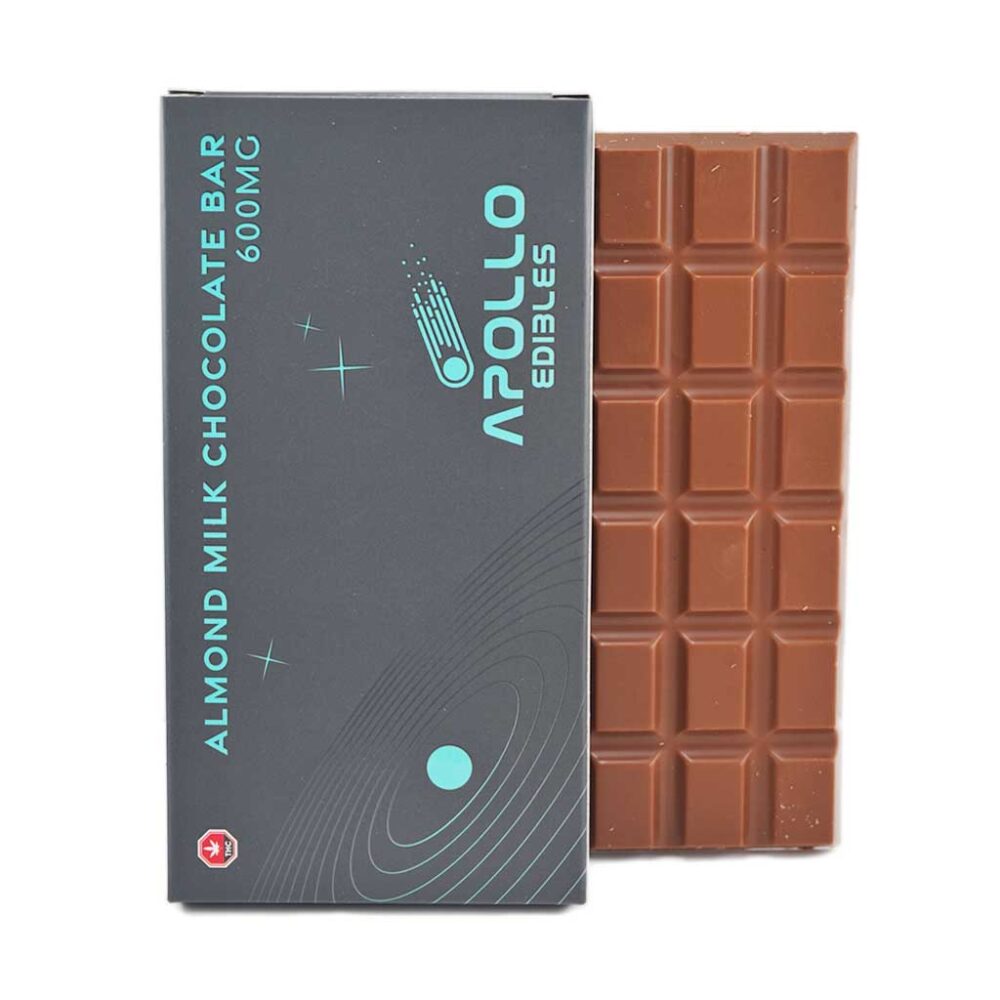
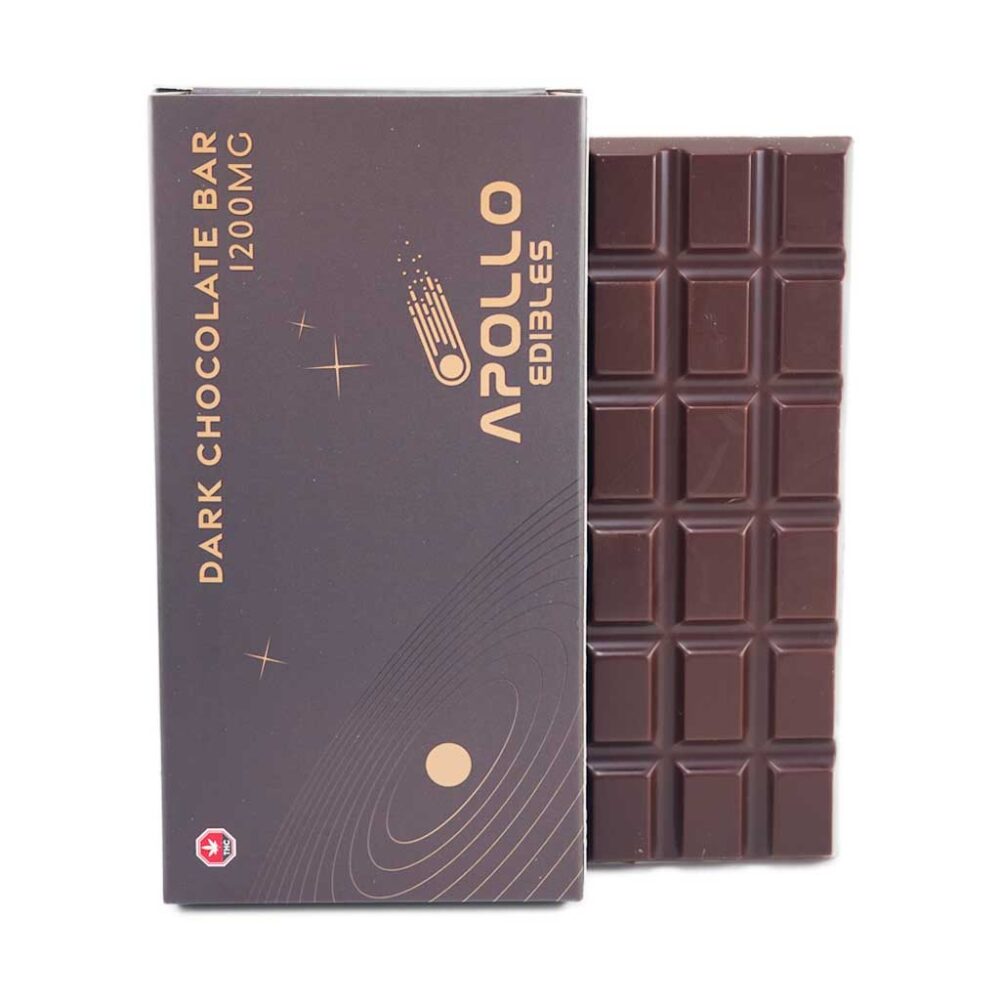
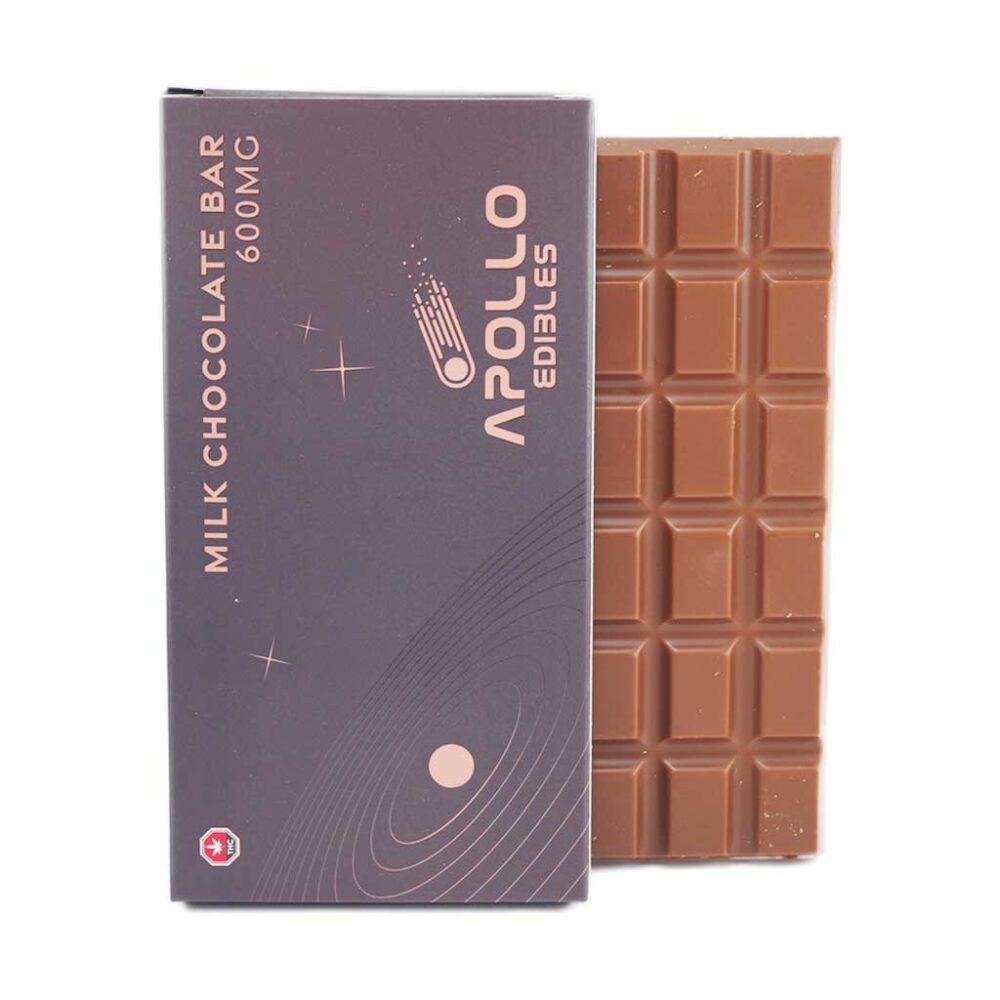
- Chocolates: These work well when you want something that feels like a treat. Kiva chocolates are popular because they are divided into small squares with clear dosage markers. They are best for evening use or when you are with close friends.
- Baked goods: Brownies and cookies still have a place, but they are less discreet because of their size and texture. They are better for home use or for events where food is expected.
- Dried fruits: These are the most underrated option. A piece of dried mango or apricot infused with cannabis looks like a normal snack. They are great for outdoor activities like hiking or concerts.
Each format has a different onset time. Gummies and chocolates tend to be faster because they are broken down quickly by the digestive system. Baked goods, which contain more fat, take longer but the effects can last longer. Dried fruits fall somewhere in between.
The Legal and Social Landscape
Even in states where cannabis is legal, there are rules about where you can consume it. In Colorado, for example, you cannot smoke in public, but edibles are generally considered a gray area. The same is true in Washington and Oregon. Discreet cannabis edibles offer a way to enjoy the benefits without drawing attention. You can eat a gummy at a park bench and no one will know. That freedom is valuable for people who use cannabis for anxiety, chronic pain, or just relaxation.
I have spoken with people in California who keep a tin of Wyld gummies in their desk drawer. They take one before a stressful meeting. The effects are subtle enough that they can still focus, but the edge is taken off. In Nevada, I have seen friends pass around a bag of dried fruits before a show. It becomes part of the pre-event ritual, like having a drink, but without the side effects of alcohol.
Comparing THC and CBD Options
Not everyone wants the psychoactive effects of THC. Some people prefer CBD for its calming properties without the high. Many edibles now come in balanced ratios or pure CBD versions. If you are new to discreet cannabis edibles, starting with a CBD-only product can help you get used to the format and the timing. Then you can experiment with products that include THC if you want a more noticeable effect.
I have a friend who uses a CBD chocolate every evening. She says it helps her sleep without the grogginess she used to feel from over-the-counter sleep aids. Another friend uses a high-THC gummy on weekends when he wants to fully relax. The market has become broad enough that you can find something for almost any need.
Final Thoughts on Choosing the Right Product
The phrase discreet cannabis edibles describes more than just the product. It describes a mindset. It means choosing a method that fits your life without forcing you to change your routine. It means being able to share an experience without having to explain yourself. Whether you reach for a Kiva chocolate, a Wyld gummy, or a piece of dried fruit from Cannabist, the point is that the choice is yours and no one else has to know.
I still remember that first chocolate at book club. It was a small thing, a single square of dark chocolate with a precise amount of THC. But it opened my eyes to how much the culture had evolved. We are no longer limited to smoky rooms and complicated rituals. We have options that are simple, reliable, and truly discreet. That is worth paying attention to.